


PK-deficiency
PK-deficiency (Pyruvat Kinase deficiency) is known from Abyssinian and Somali, and breeds with ABY/SOM in the lines. PK-def can cause anemia, sometimes serious, in other cases more intermittent. The mutation that causes PK in ABY breeds is quite recently discovered in Maine Coons also, as well as a lot of other breeds (Grahn 2012). There is research going on to see if this mutation will actually cause clinical disease in Maine Coons, and if so, how serious. In the meantime it is a good idea not to mate carriers, but it is also important not to select away from the mutation at this point.
NB: Do not confuse with PKD
PK-mangel, Pyruvat Kinase-mangel, er en kjent sykdom hos Abyssiner og beslektede raser. PK-mangel vil gi blodmangel, anemi, noen ganger alvorlig og andre tilfeller mildere og periodevis. Mutasjonen som gir PK-mangel hos ABY-rasene er også oppdaget hos Maine Coon, og en del andre raser (Grahn 2012). Det foregår forskning for å se om denne mutasjonen faktisk gir klinisk sykdom hos Maine Coon, og i så fall, i hvor alvorlig grad. I mellomtiden bør man ikke pare to bærere av mutasjonen, men det er svært viktig ikke å kutte ut katter med denne genvarianten fra avl.
Estimates from the PawPeds database that indicate that somewhere between 15-20 % of all Maine Coons are carriers of this genetic variation. Testing for it is very easy, and only animals with “the double gene” (homozygous positive) can be affected and become ill. As long as breeders do not breed carrier to carrier, the animals will stay healthy.
Estimater fra PawPeds-databasen indikerer at omkring 15-20 % av alle Maine Coon er bære av genvarianten. Å teste for den er enkelt, og bare dyr med to kopier kan bli rammet og bli syke. Så lenge oppdrettere ikke parer bærere er det ingen fare for denne sykdommen.
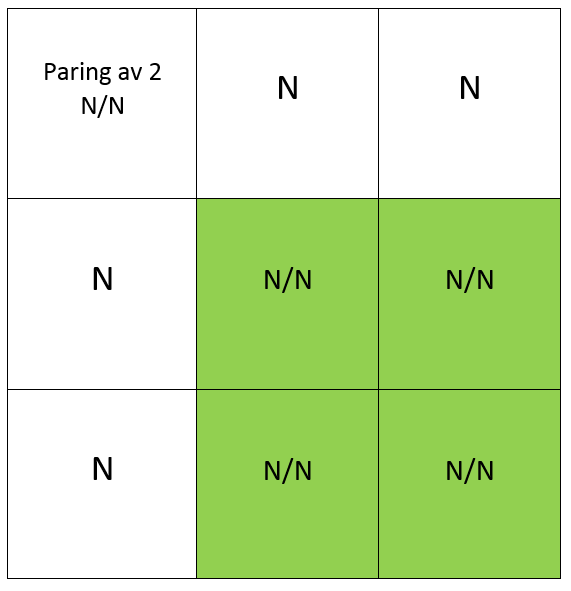
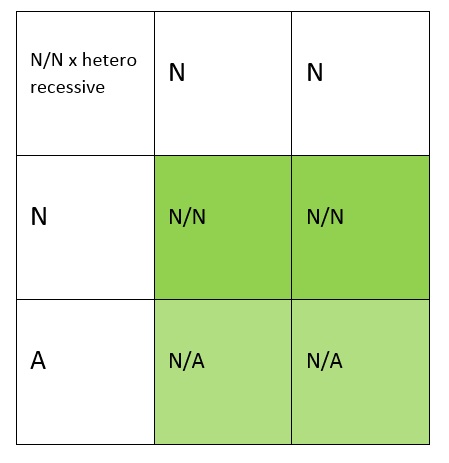
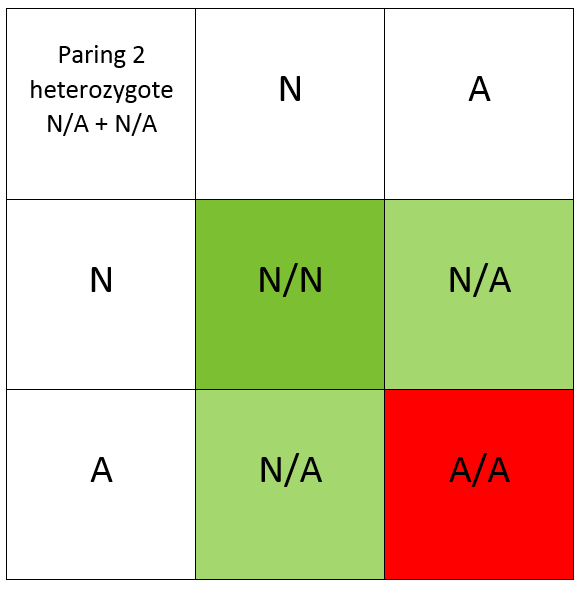
Pyruvate Kinase deficiency
Affected cats can develop a number of symptoms, but the expression of this illness varies a lot.
The anemia can be intermittent, with the cat showing no symptoms at all except in shorter periods. Some cats can die early, while most live to normal age. “Symptoms of anemia are often diffuse and include exercise intolerance, weakness, pale mucosa of the gums and enlargened spleen.” (PawPeds)
PK-def vs PKD
We often see confusion between these two disorders. For Maine Coon PKD is not a problem, and there is no reason to DNA-test for PKD unless you have Persians back in the lines.
Vi ser ofte sammenblanding av disse to sykdommene. For Maine Coon er ikke PKD noe problem, og det fins ingen grunn til å DNA-teste for PKD med mindre det ligger Perser bak i linjene.
- PK-def = PK-deficiency
- PK-def is a blood disease
- enzym problem causing anemia
- found in ABY, SOM, OCI, SIA, OSH
- PKD = Polycystic Kidney Disease
- PKD is a kidney disease
- kidney failure
- PKD1 found in PER, EXO and breeds related to these (BSH, SRL etc)
- PKD2 mutation found in Siberian cats
- PKD mutations has not been seen in Maine Coon
Maine Coons can like all cats get kidney disease, also cysts, but this is not connected to the Persian PKD1 mutation that you can DNA-test.
- PK-def = PK-mangel
- PK-def er en blodsykdom
- enzym-problem som gir anemi
- recessiv arvegang, bærere får ikke sykdommen
- finnes hos ABY, SOM, OCI, SIA, OSH
- PKD = Polycystic Kidney Disease – nyrecyster
- PKD er en nyresykdom og gir nyresvikt
- PKD1-mutasjonen finnes hos PER, EXO og andre raser med PER i linjene (BSH, SRL etc)
- PKD1-mutasjonen kan DNA-testes
- PKD2-mutasjonen finnes hos SIB og NEM
- PKD2-mutasjonen kan DNA-testes
- dominant arvegang, én kopi av mutasjonen gir sykdom
- obligatorisk DNA-test av PKD1 for PER og EXO i NRR, etter OR § 3.5.2
- anbefalt DNA-test av PKD1 for andre raser med Perser i linjene
- anbefalt DNA-test av PKD2 for Sibirkatt og Neva Masquerade
Som alle katteraser kan også Maine Coon få nyresykdommer, også cyster på nyrene, men dette er ikke forbundet med noen av de to kjente PKD-mutasjonen som kan DNA-testes.
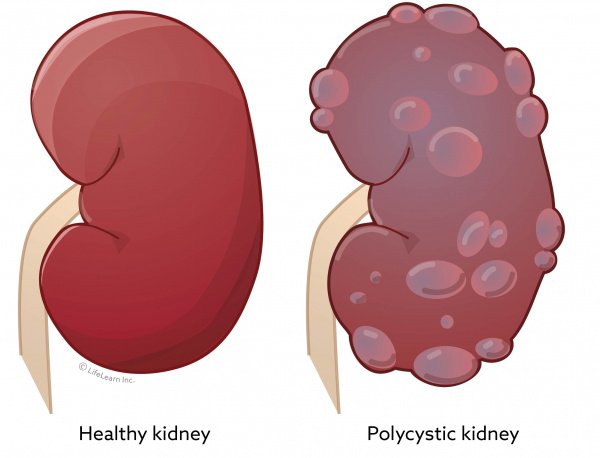
from VCAhospitals
Read more about PK-def
PawPeds health programme for PK-deficiency
Lyons. 2004. «Feline polycystic kidney disease mutation identified in PKD1.» In: Journal of the American Society of Nephrology, 15(10), 2548-2555. doi: 10.1097/01.ASN.0000141776.38527.BB
Grahn, A. et al. 2012. “Erythrocyte Pyruvate Kinase Deficiency mutation identified in multiple breeds of domestic cats.” In: BMC Vet Res. 2012; 8: 207.
Rodney. 2021. «A domestic cat whole exome sequencing resource for trait discovery.» In: Scientific Reports. Sci Rep. 2021 Mar 30;11:7159. doi: 10.1038/s41598-021-86200-7
Berge, Anne Marit. 2013. “PK-mangel og DNA-testing” In: Aristokatt 2013-2. (In Norwegian)
Berge, Anne Marit. 2022. “PKD vs PK-def“. In: Aristokatt 2022-2, oppdatert 2026. (In Norwegian)
